Our vision encompasses driving the transition to cleaner energy and more sustainable shipping, exceeding our clients needs and expectations and keeping people and the environment at the heart of what we do.
We are deeply committed to the protection of the environment, the health and safety of our people and to energy and cost efficiency in all our operations.
By embracing these principles, we can make positive impact on the shipping industry and accelerate global efforts for a more sustainable future.
Webber ESG scorecard
Since 2015 Webber research has produced and annual ESG scorecard for quoted shipping companies. This is the most comprehensive and authoritative corporate governance and sustainability survey of shipping companies. Essentially it is only a tool to help investors assess the ESG credentials of shipping companies based on the following philosophy.
“We want to reiterate the idea that underpins this entire endeavor, which is that we believe there is no longer a place in the public shipping markets for companies that do not prioritize strong corporate governance and capital stewardship. We believe that risk premiums associated with poor governance and capital discipline should continue to widen, eventually pricing-out conflicted players and antiquated structures from public markets.”
Webber 2023 ESG scorecard summary
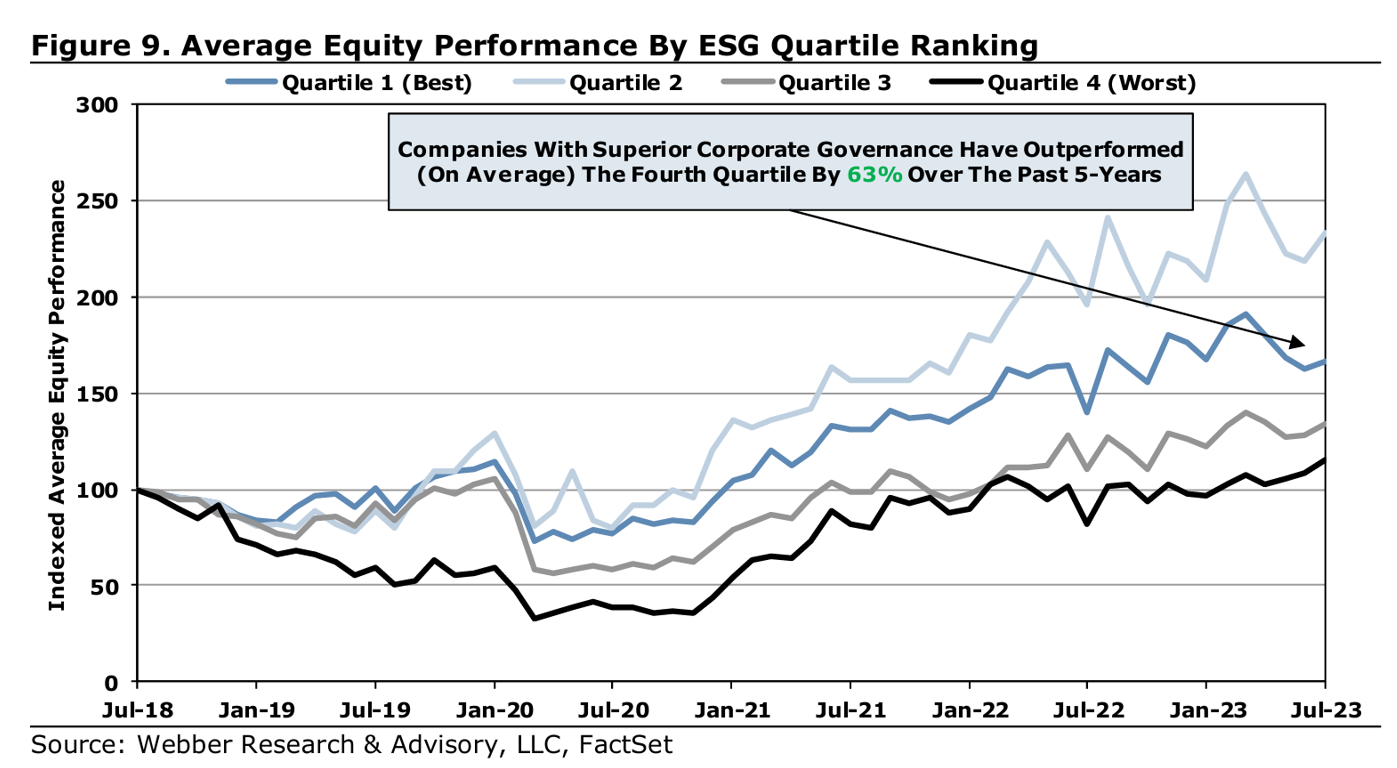
The scorecard focuses as much on corporate governance than on pure ESG metrics. Webber believes the scorecard can be used as a tool to help evaluate degrees of individual companies’ corporate governance across shipping sectors. It is the cornerstone of the scorecard that corporate governance is too often either overlooked or mispriced. The chart below underpins the scorecard as it illustrates that higher ranked companies outperform those with lower scores.
What are the scorecard metrics then?
Essentially there are 9 factors that are used – listed below with their weights. Most are self explanatory. Factor 7 refers to items such as poison pills and other such board policies when dealing with shareholders. Factor 8 refers to data disclosure and policies regarding emissions – this is the biggest weighted category and likely to increase in importance. Again the key factor here is disclosure – it is NOT about being the cleanest and most green company its about transparency and the journey that company is on regarding its ESG objective.
| Third-Gen ESG Factors | Weight | |
|---|---|---|
| Factor #1 | Related Party Commercial Management | 8.8% |
| Factor #2 | Related Party Technical Management | 8.8% |
| Factor #3 | Sale And Purchase Fees | 8.8% |
| Factor #4 | Related Party Transactions | 8.8% |
| Factor #5 | Board Independence | 12.5% |
| Factor #6 | Board Composition | 10.0% |
| Factor #7 | Board Policy | 10.0% |
| Factor #8 | Carbon Factor | 20.0% |
| Factor #9 | Subjective | 12.5% |
| Source: Webber Research & Advisory, LLC | ||
Capital Clean Energy Carriers – sustained progress up the rankings
| Rank | Quartile | |
|---|---|---|
| 2023 | 34 | 3 |
| 2022 | 38 | 3 |
| 2021 | 41 | 4 |
| 2020 | 43 | 4 |
| 2019 | 48 | 4 |
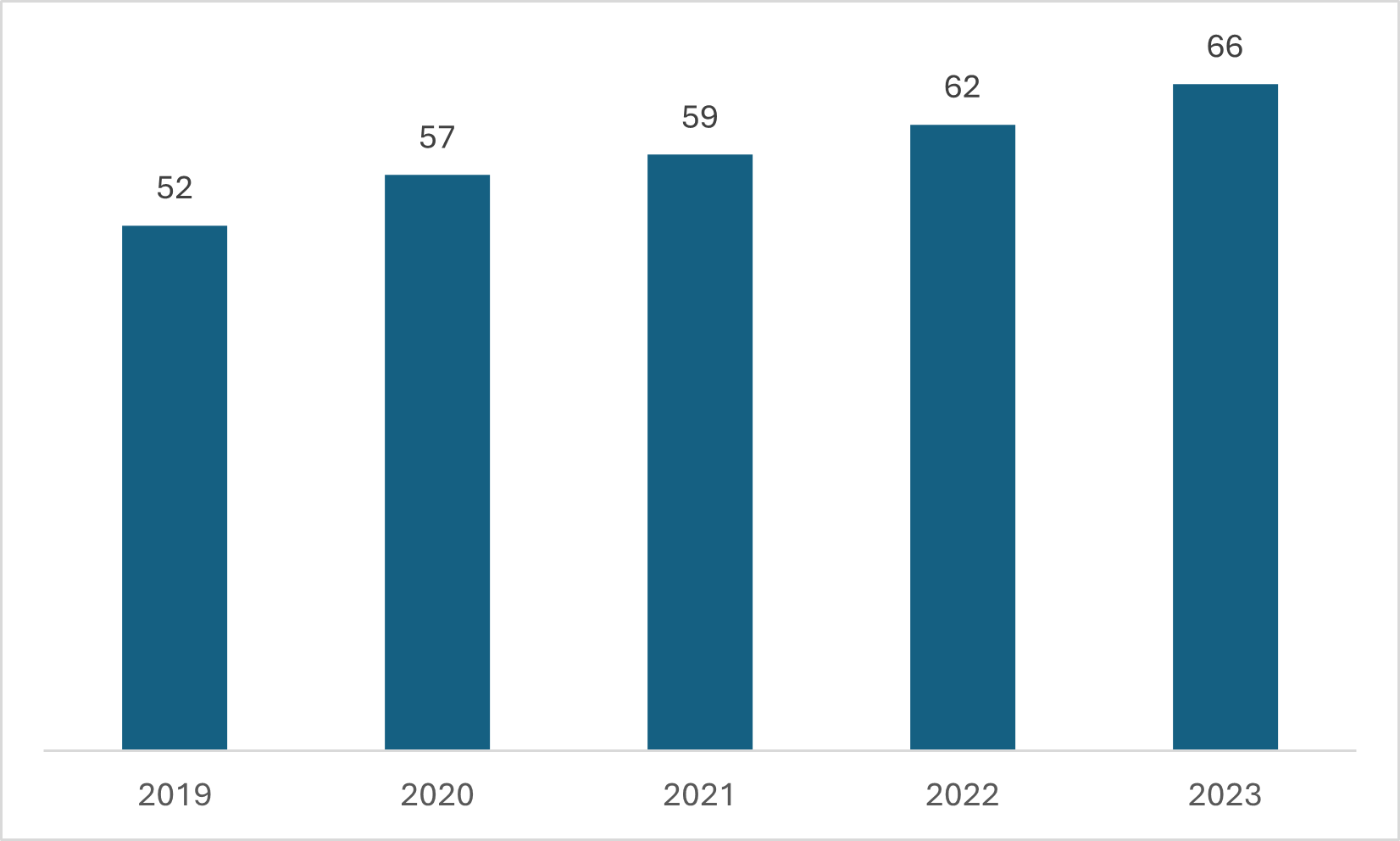
As the table makes clear above – the company has made substantial and steady progress in the Scorecard rankings since first appearing in 2019. This has to be taken against the background that ALL shipping companies have improved their ESG engagement and focus on scorecard metrics during this period.
Capital Clean Energy Carriers – percentile rankings for Capital Product Partners since 2019 in Webber ESG scorecard